Sega Just Said “No Old, Stay Gold” and Meant Every Word.
Sega Universe just announced anniversary projects for nine classic IPs at once — OutRun, NiGHTS, Streets of Rage, Sakura Wars, and more. This is not a nostalgia play. It's a franchise strategy.
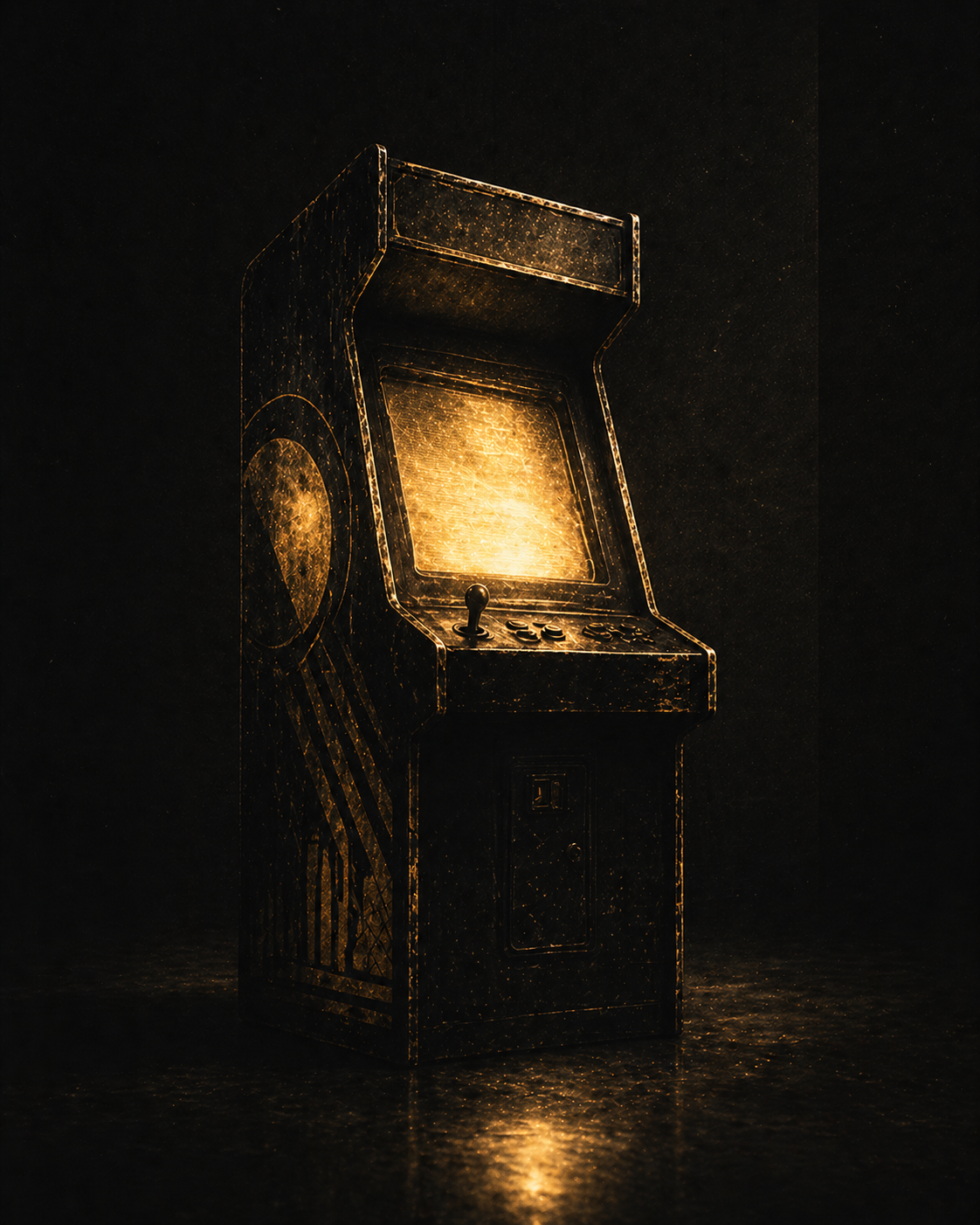
On April 24th, Sega announced Sega Universe — a new initiative covering nine classic IPs simultaneously, with anniversary projects, new content, and a transmedia push that starts now and is clearly designed to run for years. The IPs in the initial wave: OutRun (40th anniversary), NiGHTS into Dreams, Streets of Rage, Sakura Wars, Segagaga, Guardian Heroes, and several others. The slogan they chose: “No Old, Stay Gold.” They hired Justin Scarpone, a Disney veteran, specifically to lead the transmedia effort. The implied comparison point is obvious — Sonic the Hedgehog went from video game character to billion-dollar film franchise, and Sega wants to run that play again, across multiple IPs, at the same time.
That’s an ambitious brief. The question is whether Sega has what it takes to execute it.
Start with OutRun, because the 40th anniversary is the clearest near-term deliverable in the Sega Universe announcement. OutRun is one of the most influential racing games ever made — not in terms of sales or franchise depth, but in terms of what it meant culturally and aesthetically. The style, the open road, the branching routes, the music: OutRun defined a kind of escapist fantasy about driving that influenced everything from initial Grand Theft Auto aesthetics to the entire retrowave visual movement that dominated indie games and music videos for a decade. There’s a real audience for this, and it’s not just people who were in arcades in 1986. The outrun aesthetic went viral a generation after the games themselves stopped being culturally present. That’s a useful unlock.
OutRun at 40, NiGHTS, Streets of Rage, Guardian Heroes — the same week. This isn’t a nostalgia wave. It’s Sega finally deciding what its franchises are worth.
NiGHTS is a harder case. The Nights into Dreams fanbase is real and deeply passionate, but it’s always been a niche within a niche — the kind of series that scores perfectly among the people who love it and has low awareness everywhere else. A NiGHTS anniversary project that’s mostly a remaster or port to current platforms would satisfy the existing audience but wouldn’t expand it meaningfully. A NiGHTS project that genuinely reinvents the formula for 2026 — new creative direction, modern feel, IP that can stand next to contemporary releases — is a much harder thing to pull off, and also a much more interesting one.
Streets of Rage is the IP in this group with the clearest path to success, and the most recent evidence that the path works. Streets of Rage 4, released in 2020 by Dotemu and Guard Crush Games, was a genuine critical hit — a beat-’em-up that respected the source material while updating it for a modern audience. It sold well enough to get DLC, a physical release, and a spot on pretty much every “best games of 2020” list from publications that hadn’t thought about Streets of Rage in fifteen years. If Sega is doing a Streets of Rage 5 or another entry in a similar vein — which the Sega Universe framing strongly implies — that’s a known formula with a proven audience and a recent proof of concept.
The transmedia piece is the wildcard. Scarpone’s hire is meaningful — Disney’s transmedia operation is not just big, it’s architecturally sophisticated in ways that most gaming companies haven’t figured out. The ability to turn a game IP into film, television, merchandise, and theme park presence is not a strategy that runs on enthusiasm; it requires infrastructure, relationships, and a very long timeline. Sonic took years to get right, and the path included one of the most publicly mocked character design controversies in pop culture history before the first film hit. Sega knows this better than anyone — they lived it. The fact that they’re going back into transmedia with multiple IPs simultaneously, and with a Disney hire to lead it, says they believe the Sonic model is replicable. That belief is either well-founded or extremely optimistic, and we won’t know which for a while.
Sonic took years, a meme-worthy design controversy, and a full character redesign before it worked. Sega is now betting that playbook applies to nine franchises at once.
The honest context for Sega Universe is that Sega has been in an interesting position for the last decade: a company with a deep back catalog of beloved IPs that has never really figured out how to fully monetize that catalog outside of Sonic and Persona. The games in this announcement — Segagaga, Guardian Heroes — are cult classics that have never crossed over into mainstream awareness. Sakura Wars had a comeback in 2020 — Shin Sakura Taisen, released in Japan that April and in the West that October — that was received warmly but didn’t set the world on fire. These are not franchises with obvious commercial trajectories. They’re IPs with cultural value that hasn’t been converted into reach.
The “No Old, Stay Gold” slogan is doing something specific: it’s explicitly rejecting the framing of nostalgia as looking backward. It’s saying these IPs aren’t old, they’re gold — timeless rather than dated. That’s a brand positioning decision, not just a tagline. Whether Sega can make it true depends entirely on what the individual projects look like and whether they’re built for new audiences or just for people who already care. The announcement is the easy part. The proof of concept is what comes out of it.