The “Great American AI Act” Tells the States to Sit Down
A 269-page bipartisan draft would freeze state laws on how AI models are built for three years — right as states started holding AI companies accountable.
BY MAT
THE THREE-YEAR FREEZE · JUNE 2026AI-GEN2026
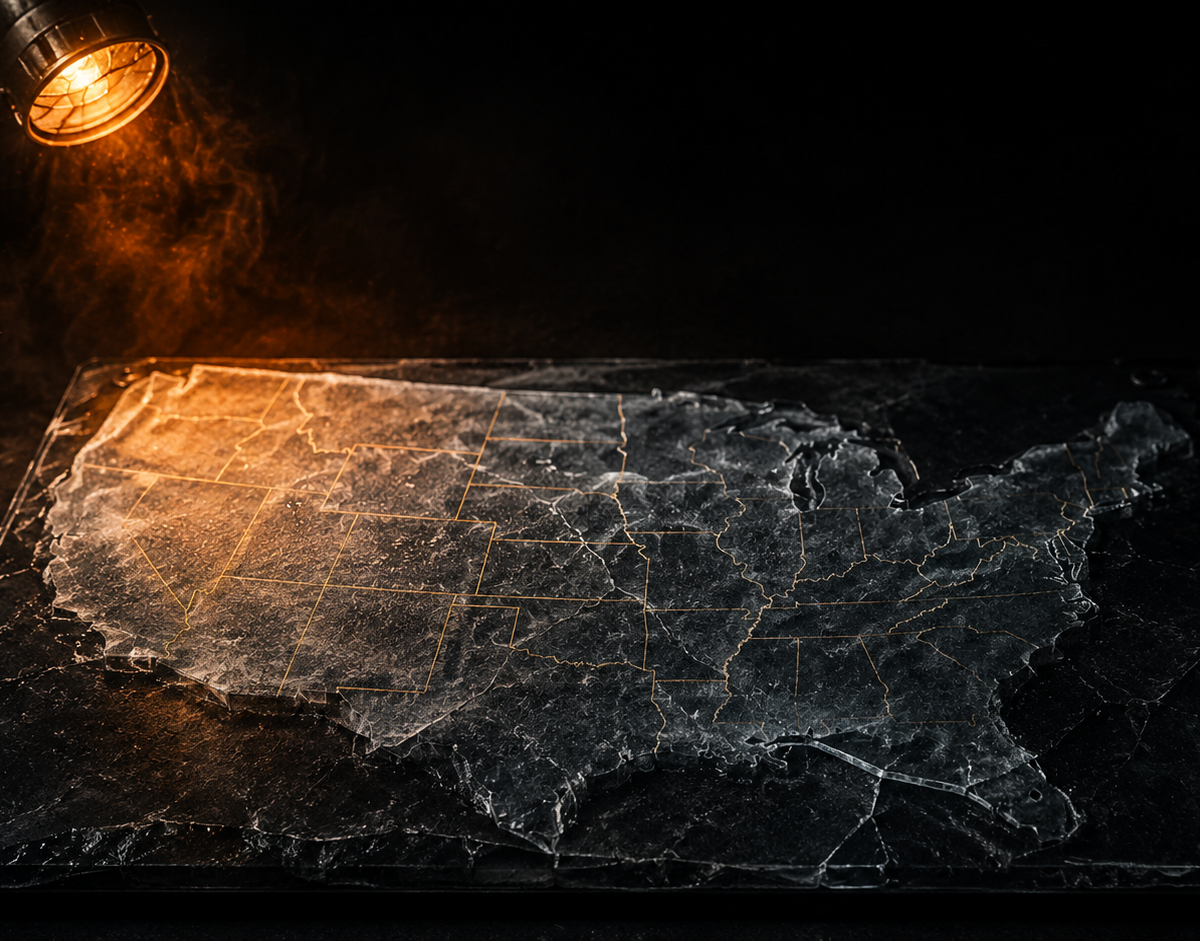
It takes 269 pages to say “states, sit down” politely, and the Great American Artificial Intelligence Act spends every one of them. Reps. Jay Obernolte and Lori Trahan released the bipartisan discussion draft on June 4, pitched as the first comprehensive federal framework for the technology. The headline isn’t the framework. It’s the line buried in the structure: a three-year freeze on any state law that regulates how AI models are developed.
Read the fine print and the freeze is narrower than the panic suggests, which is the part worth being precise about. The preemption hits state rules governing model development — training, transparency, the guts of how a system gets built. It leaves alone state laws about how AI is deployed and used, and it doesn’t touch existing consumer-protection, civil-rights, or privacy statutes. Obernolte’s office stresses exactly that, and on paper it’s a reasonable line to draw. The trouble is that development is where the real control lives. Freeze the rules on how the models are built and you’ve frozen the only point where a state could meaningfully shape what the models are allowed to be.
The development-versus-deployment line is doing more rhetorical work than legal work. A state can still regulate how a hospital uses an AI system or how a landlord screens tenants with one. What it can’t touch is what the model is permitted to learn and what it’s allowed to be capable of in the first place. That’s the layer where harm gets designed in or designed out, and it’s the exact layer the freeze removes from state hands. Telling states they can police the outputs while Washington alone governs the inputs is like letting cities set speed limits while a federal agency decides whether the cars ship with brakes at all.
Three years sounds modest until you remember what three years means in this field. The frontier models of 2029 will be infrastructure by the time the freeze lifts: embedded and load-bearing, too woven into everything to unwind with a transparency statute passed after the fact. A development rule you’re allowed to write in 2029 governs a world that’s already been built without it. The freeze doesn’t need to be permanent to be decisive. It just needs to cover the window where the decisions actually get made.
Preempt the states and the lobbyists only have to buy one set of politicians instead of fifty.
That’s the quiet logic of preemption. A single federal standard is genuinely cleaner than fifty competing ones, and it’s also a much smaller surface to lobby. The enforcement muscle was pre-positioned, too: the White House’s [December 2025 executive order already stood up an AI Litigation Task Force, as FedScoop reported](https://fedscoop.com/bipartisan-great-american-ai-act-draft-proposes-new-federal-ai-governance-framework/), built to challenge state AI laws in court. The order gave that effort a mission. This bill would give it a statute. One branch builds the cannon, the other hands it ammunition, and the whole apparatus points at the same target: state capitals that got ambitious.
The timing is the tell. This draft landed in the same stretch where states were finally growing teeth. Florida just became the first state to [treat an AI CEO like a tobacco executive](https://matoffmute.com/florida-openai-altman/), naming a company’s leadership personally liable. That’s the trend a development freeze is built to blunt, not by repealing what states have done but by capping how far they can go before Washington claims the lane. Reassert federal primacy now, and the most aggressive state-level accountability of the last year becomes the high-water mark instead of the floor.
Industry’s objection is legitimate on its face. A fifty-state patchwork of conflicting development rules really would be a compliance nightmare, the costs really would fall hardest on startups that can’t afford fifty legal teams, and a coherent national standard really is the thing that keeps the U.S. competitive against China. None of that is fake. The question is who writes the single standard, and on what timeline, and whether “harmonization” is the goal or just the brochure. A federal floor that raised the baseline everywhere would be harmonization. A three-year freeze on the states most willing to act, paired with a task force already suing them, looks more like a ceiling with better branding.
The backlash arrived fast, and not only from the usual advocates. [Public Citizen and other groups warned the draft strips states of the authority to protect consumers, workers, and kids](https://www.citizen.org/news/obernolte-trahan-bill-strips-states-authority-to-protect-consumers-workers-and-children/), and members of Congress’s own AI commission said it couldn’t anchor a serious negotiation. A “discussion draft” is exactly that — an opening bid, not a law. Bills change shape on the way to a vote, if they get there at all. But opening bids tell you what the people writing them actually want. This one wants the states quiet while the models that will define the next decade get finalized. Whether it passes matters less than the fact that this is now the official ask. Washington spent 269 pages being polite about it. The translation is one sentence long.
Sources: [Roll Call](https://rollcall.com/2026/06/04/bipartisan-ai-draft-proposes-three-year-preemption-of-state-laws/) · [Obernolte](https://obernolte.house.gov/media/press-releases/obernolte-trahan-release-discussion-draft-great-american-ai-act) · [FedScoop](https://fedscoop.com/bipartisan-great-american-ai-act-draft-proposes-new-federal-ai-governance-framework/) · [Public Citizen](https://www.citizen.org/news/obernolte-trahan-bill-strips-states-authority-to-protect-consumers-workers-and-children/)
// TRANSMISSION
Stay on the signal.
Filed dispatches, direct. No noise, no algorithm - just the archive, when it matters.