EA’s Saudi Deal Finally Met Resistance
The most interesting thing about the Saudi-led EA buyout this week was not another lawmaker letter. It was players showing up in person with 70,000 signatures and treating the deal like something worth publicly embarrassing.
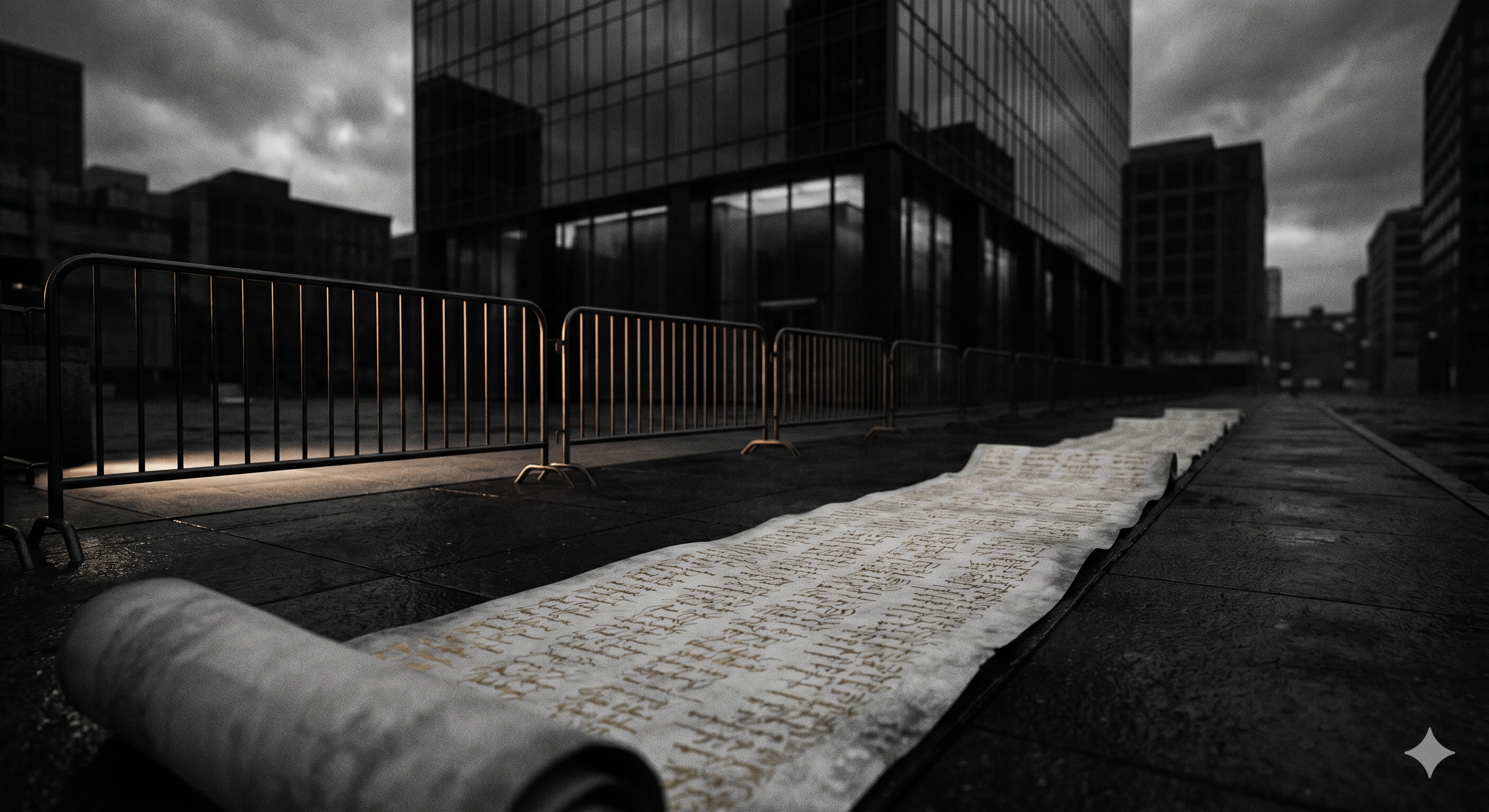
The most revealing image in the EA buyout story this week was not a financing chart, a regulator filing, or another hand-wringing quote about foreign influence. It was a bunch of people outside EA’s Redwood City headquarters in costume, carrying a petition scroll so large it looked designed by someone who understood that if you are going to protest a videogame company, subtlety is probably the wrong genre. That matters more than it sounds like it should.
KQED reported that members of Players Alliance showed up on May 11 with more than 70,000 signatures asking EA to reconsider the proposed $55 billion buyout, a deal that would give a consortium with ties to Saudi Arabia’s Public Investment Fund primary control of one of gaming’s largest publishers. The group’s stated concerns were not abstract geopolitics alone. They pointed to monetization pressure, layoffs, and a decline in game quality. PC Gamer added another useful detail: this thing has already attracted lawmakers who described the transaction’s foreign-influence and national-security risks as serious enough to warrant scrutiny. So yes, the official world is paying attention. But that’s not the real shift.
The real shift is that players decided the deal was culturally legible enough to protest in public. Most acquisitions in games do not get that treatment. People complain online for forty-eight hours, maybe post a thread about layoffs, maybe half-joke about what will happen to their favorite franchise, and then the thing moves into the part of capitalism where everyone shrugs and waits for the consolidation to finish. This one escaped that containment. Once you have a crowd outside the building, the story is no longer just “private equity and sovereign wealth are rearranging assets.” It becomes a legitimacy story.
There is a reason that matters in games specifically. This industry has spent the last two years burning goodwill with almost industrial efficiency. Layoffs, cancellations, studio closures, rising prices, subscription fatigue, unfinished launches, all of it. I have already written about what happens when the industry’s middle class gets carved up in pieces in Spiders Is Already Gone and Iron Galaxy Said the Quiet Part Out Loud About What Gaming Looks Like Now. Against that backdrop, a Saudi-backed buyout of EA lands less like a one-off deal and more like another example of games getting treated as a portfolio of monetizable behavior loops with recognizable IP attached.
A buyout that ends with barricades outside the campus is no longer just a finance story. It has become a trust story.
The obvious counterargument is that none of this will stop the deal. That is probably true. Public protests do not usually derail transactions of this size, and gaming history is not exactly full of examples where consumer embarrassment beat capital structure. Saudi money is already deeply embedded across games and sports, and the buyout machine is not known for having a conscience attack because a petition looked bad on local news. If your standard for significance is “did the protest terminate the acquisition,” then no, this is not the story.
But that standard is too narrow. The more useful question is what this says about the public meaning of the transaction. Players are not protesting because they believe they are about to become securities lawyers. They are protesting because they understand, maybe more clearly than executives do, what a deal like this usually means on the other side: more pressure to optimize, less tolerance for creative drift, more brand-management logic, more labor casualties if the numbers wobble, and probably some grotesque internal effort to call all of that “strategic transformation.” That expectation exists for a reason.
EA may still close the deal. The consortium may still say all the right things about creative independence and long-term investment. Maybe some of that will even be true. But once a major publisher has to absorb the image of gamers showing up in cosplay to tell the world they do not trust the future being sold, the transaction has already lost something important. It lost the pretense that this is normal. And right now, normal is exactly what the industry keeps trying to call every decision that makes players feel like customers second and inventory first.
The sportswashing language around Saudi investment has been around for years, but games have often been treated like the softer target, the place where entertainment habits and monetization systems blur together enough that people stop asking where the money came from. A protest like this interrupts that blur. It tells executives, regulators, and everybody watching that at least some part of the audience still understands a publisher is not just a content vault. It is a cultural institution, and people notice when ownership starts to feel like a reputational hazard instead of an upgrade.