
Netflix Is Selling The Whole Machine
Netflix's May 13, 2026 Upfront presentation made one thing clear: the company is no longer pitching itself as a streaming service with ads attached. It is pitching itself as a full media machine where ad tech, live events, fandom, and mobile behavior all feed the same business.
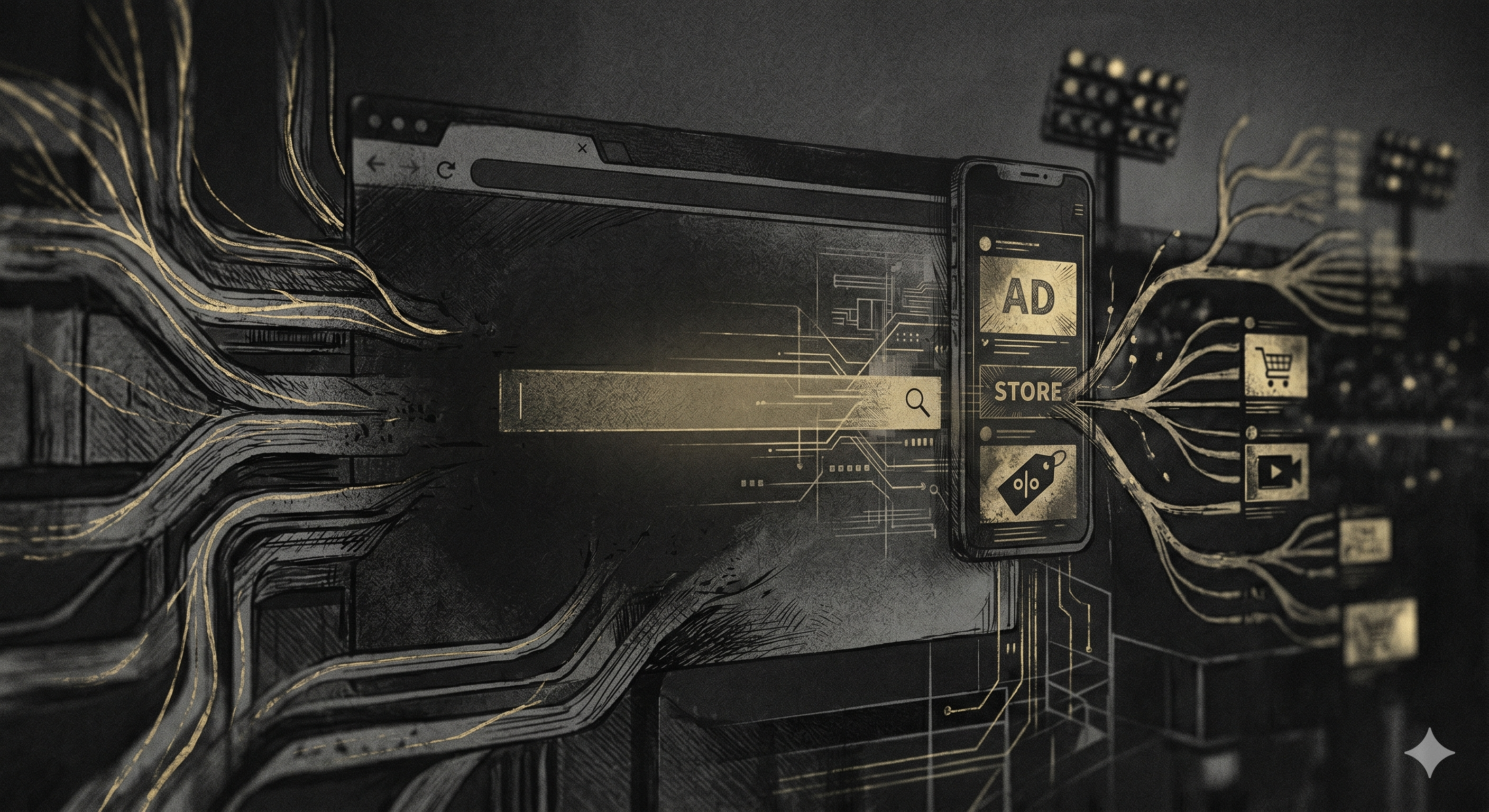
Netflix used to want one thing from you: a subscription and your attention. Now it wants your attention in every format advertisers can package. In its Upfront 2026 presentation, published May 13, 2026, the company said its ad-supported tier now reaches more than 250 million global monthly active viewers. It also said vertical videos are live on mobile, AI ad tools are expanding, and Netflix will carry even more NFL inventory in 2026. That is not the profile of a streamer adding a little ad business on the side. That is the profile of a company building an entertainment operating system for brands.
The most revealing part of the presentation was how little separation Netflix now draws between content, ad inventory, and product behavior. Amy Reinhard, Netflix’s president of advertising, framed the company’s first few ad years as proof of durability and this year as proof of force. Fair enough. But the substance mattered more than the slogan. Netflix highlighted podcasts, vertical video, live sports, data clean rooms, audience APIs, AI-driven media planning, AI-assisted asset adaptation, and dynamic ad insertion across live programming. That is a lot of infrastructure for a company people still lazily describe as “the streamer.”
This is where the streaming story gets uglier and more honest. The old fantasy was that streaming would free entertainment from the bloated logic of cable and legacy television. What happened instead is that the smartest player in the category looked at the entire ad-and-distribution machine, decided it still worked, and rebuilt it with better software. Netflix is not running from television economics anymore. It is refining them. If a service has 250 million monthly ad viewers, sells live NFL, pushes vertical mobile inventory, and offers its own ad-planning APIs, it has moved well beyond binge library status.
Netflix is no longer trying to be the future after television. It is trying to be television, mobile media, fan platform, and ad network all at once.
There is an obvious business logic to this. More inventory means more revenue. More live events mean more urgency. More mobile surfaces mean more places to squeeze in advertising without waiting for a 45-minute drama episode. Netflix even said that vertical video inventory will become globally available in 2027 and that it is testing AI agents to manage, optimize, and purchase ads. Read that again and strip away the corporate smile. Netflix wants to become easier to buy from, easier to measure, harder to ignore, and present in more moments than the couch.
The counterargument is that none of this automatically ruins the product. Plenty of people are fine with ads if the price is lower and the shows are good. Live sports can add real energy. Vertical discovery on mobile may simply reflect how people already browse. All true. The issue is not that every single part of this strategy is bad for viewers. The issue is that the company is increasingly optimized around monetizing context, not just funding entertainment. Once that becomes the center of gravity, programming, interface design, and product choices all start bending around what can be sold.
That pattern should sound familiar because I already hit a nearby version of it in Netflix Said We Don’t Collect Anything. Texas Just Filed 59 Pages. and in The Paramount-Warner Merger Is Making Streaming Feel Like Cable on Purpose.. Streaming keeps claiming it escaped old media while rebuilding old media’s incentives with cleaner packaging. Netflix just happens to be the best at saying the quiet part in premium fonts.
The NFL point especially matters. Netflix said it will have more NFL on Netflix in 2026, including a regular-season game from Australia, a Thanksgiving Eve matchup, two Christmas Day games, and a Week 18 game. Live sports are not just content. They are appointment behavior. Appointment behavior is what advertisers pay for, because it reduces skipping, boosts scale, and makes the platform feel culturally central in real time. Once Netflix mixes that with fan surfaces like Tudum, mobile discovery, and AI ad tooling, it stops behaving like a service and starts behaving like an ecosystem.
That is probably the real lesson from this year’s Upfront. Netflix does not want to win the streaming wars anymore because that category is too small. It wants to become the place where premium entertainment, live spectacle, mobile engagement, and advertiser infrastructure all reinforce one another. From a business standpoint, that is smart. From a viewer standpoint, it is the clearest sign yet that the clean subscription dream is over.
Sources: Netflix Upfront 2026 – Netflix advertising site – Variety – The Hollywood Reporter