The Switch 2’s Killer App Is a 28-Year-Old Game
The June 9 Direct turned a year of Ocarina rumors into a Switch 2 exclusive and stacked Kingdom Hearts IV on top. The launch runs on nostalgia and borrowed prestige.
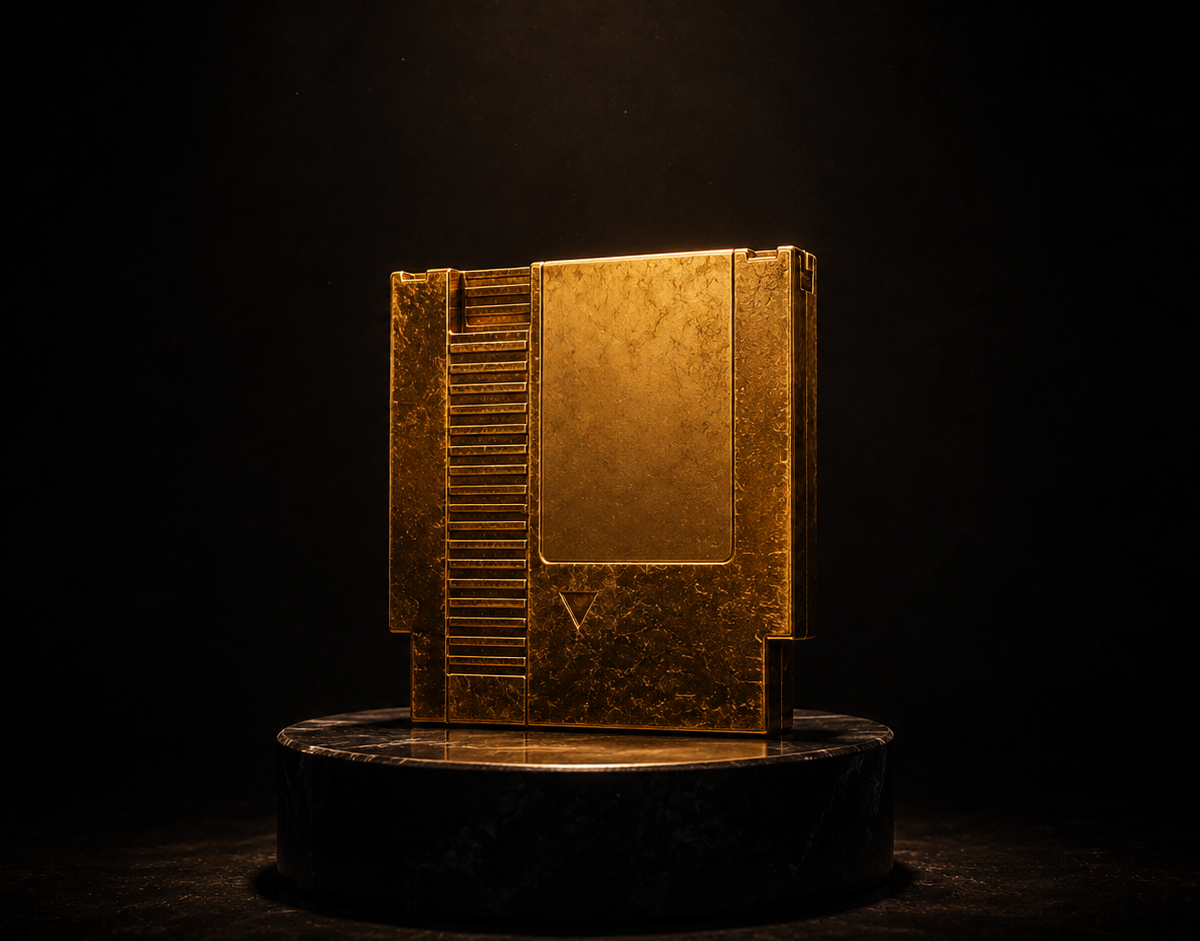
The biggest reveal in Nintendo’s roughly 50-minute Direct on June 9 was a game that first shipped when Bill Clinton was president. Nintendo confirmed a full remake of The Legend of Zelda: Ocarina of Time, a Switch 2 exclusive due later in 2026, and the internet did exactly what Nintendo wanted: it lost its mind over a 1998 game with new lighting.
I called the remake likely back when it was still just a rumor, in the Switch 2 lineup post from April. Being right about it doesn’t make it bolder. A year of speculation collapsed into the least surprising possible outcome — the safest game in the catalog, rebuilt to sell the new box. Ocarina of Time is, by most measures, the most acclaimed game ever made. It is also 28 years old. Leading your next-generation showcase with it is a flex and a confession in the same breath.
The rest of the Direct doubled down. Kingdom Hearts IV was confirmed for the Switch 2 at launch, running on Unreal Engine 5, with the older Kingdom Hearts collection landing as native ports on October 8. There’s a new Xenoblade, subtitled Genesis. There’s a Final Fantasy. It’s a genuinely stacked lineup — and almost none of it is a new idea from Nintendo itself. Kingdom Hearts and Final Fantasy belong to Square Enix. Ocarina belongs to 1998. The headline first-party energy of the whole presentation is a remaster.
Getting Kingdom Hearts IV on a Nintendo console at launch is a real win, and worth saying plainly. For years the knock on Nintendo hardware was that the big Japanese third-party games went everywhere else first. Square Enix shipping a numbered Kingdom Hearts day-one on Switch 2 is Nintendo buying the one thing it has historically lacked: the look of a console serious adults publish their flagship games on. The catch is that it’s borrowed credibility. Square’s leftovers and Square’s flagships are doing the work of making the hardware feel essential, because the hardware’s own marquee title is a game most of the audience already finished a quarter-century ago.
Nintendo isn’t selling you a new world. It’s selling you the one you already loved, with the lights turned up.
The case for this is real, and Nintendo fans make it well. Ocarina of Time is the perfect demo disc for new hardware: instantly legible, universally beloved, a guaranteed emotional hit the second the title screen fades in. Launch windows are about momentum and install base, not creative risk, and leaning on a legacy brand to move the first wave of consoles is shrewd, not lazy. New IP can come once the thing is in living rooms. There’s nothing wrong with knowing exactly what your audience wants and handing it to them.
Except that’s the same argument Nintendo has leaned on for a couple of years now, and the new ideas keep not arriving. Star Fox already came back. The Switch 2’s first year is shaping up as a greatest-hits tour with a hardware upgrade bolted on, and the company is wagering, correctly enough, that weaponized childhood memory moves more units than anything genuinely new could. It will. People will line up for a prettier Ocarina, myself included. The question worth holding onto isn’t whether the remake is good. It’s what it says about a company when its safest move and its biggest move have become the same one.
There’s a longer cost hiding in the win column. An install base built on remakes and ported third-party flagships sells the hardware, but it doesn’t generate the next Breath of the Wild, the game that justified the Switch in the first place and reset what a Zelda could be. Nostalgia is a withdrawal, not a deposit. Every year Nintendo spends re-selling 1998 is a year its own studios aren’t shipping the thing people will be nostalgic for in 2050. Sony has the same disease in a different key, leaning on remasters and sequels while the genuinely new swings get rarer. The difference is that Nintendo built its entire identity on being the company that made the unfamiliar feel essential. A launch lineup this backward-looking is a strange place for that company to plant its flag.
The Kingdom Hearts and Final Fantasy ports complicate the picture in Nintendo’s favor, to be clear. Pulling Square Enix’s marquee franchises onto the platform day-one is the kind of third-party respect the Switch never fully commanded, and it widens what the hardware can credibly claim to be. But it’s still someone else’s creativity doing the persuading. When your strongest launch arguments are a 28-year-old remake and another studio’s flagship, the console is selling confidence it hasn’t earned with anything new of its own.
And you’ll pay full freight for the privilege. Nintendo is the one company in gaming that has never blinked on price, that still charges near-retail for games a decade old. A rebuilt Ocarina will not be a bargain, and it won’t need to be. The whole strategy rests on a read of your wallet that Nintendo has gotten right every single time: that the warm thing you already remember is worth more to you than the unfamiliar thing you’ve never tried. The remake isn’t a gamble for them. It’s the surest money in the building.
There’s a richer irony underneath the nostalgia. This is the same Nintendo that has spent years firing off takedowns against fan remakes, emulators, and preservation projects built around these exact games, the ones keeping its own back catalog playable for free. The message has been consistent: the past belongs to Nintendo, and you’ll experience it when and how Nintendo decides to sell it back to you. The Ocarina remake is that policy turned into a product. They kept the vault locked for a decade so they could charge admission to it now, and the line to get in will be enormous.
Nintendo will sell a mountain of Switch 2 units on the strength of games people first played decades ago, and it will deserve to, because the games were that good. But a launch lineup that leans this hard on the past is telling you where the company’s confidence actually lives. The future of Nintendo, for now, looks a lot like its catalog with better shadows.