Nintendo Finally Took Star Fox Out of Storage
Nintendo's May 6 Star Fox reveal was not just a nostalgia play. It looked a lot more like catalog strategy for a console that needs a wider personality.
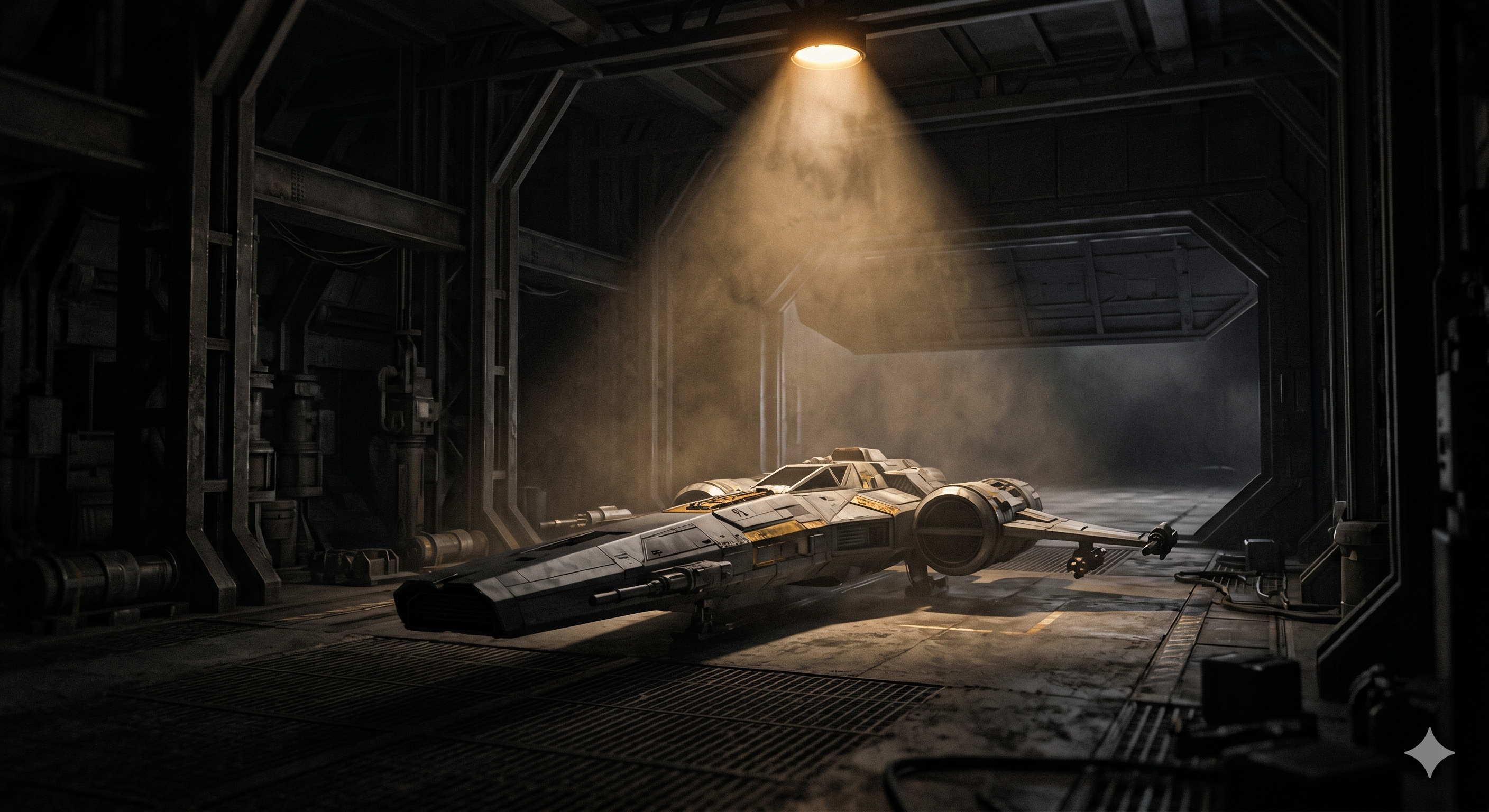
Nintendo did not revive Star Fox on May 6 because somebody in Kyoto got sentimental. It revived Star Fox because Switch 2 needs more than the usual handful of forever-franchises if Nintendo wants the system to feel like an era instead of a firmware update with better lighting. The company announced Star Fox for Switch 2 with a concrete release date of June 25, 2026, and the details make it clear this is not being treated like a sleepy museum piece.
Officially, the game is a cinematic take on Star Fox 64, rebuilt with a full visual overhaul, voiced scenes, an orchestral soundtrack, Joy-Con 2 mouse controls, and a new 4-vs-4 Battle Mode. That sounds like a remake because, structurally, it is one. But the more interesting part is why this franchise and why now. Nintendo has no shortage of safer names to cycle through. It chose a series it left in storage for years, and it chose to bring it back right when Switch 2 needs a little more texture than “don’t worry, Mario and Zelda still work.”
That matters because platform identity is not just built on the biggest sellers. It is built on whether a console feels like it has a bench. Nintendo has spent long stretches behaving as if a handful of premium mascots could do all the emotional and strategic heavy lifting forever. Sometimes that works. Sometimes it creates the sense that everything outside the top shelf is optional. Star Fox coming back with hardware-specific features tells you Nintendo knows Switch 2 needs to feel less like a machine that hosts blockbusters and more like a machine with a full ecosystem of distinct first-party flavors.
Nintendo did not bring Star Fox back to honor the past. It brought Star Fox back because Switch 2 needs a wider personality.
The feature list reinforces that this is a systems play, not just a history lesson. Mouse controls give the game a reason to exist specifically on Switch 2. GameChat integration and eight-player online battles give it a social texture the older series never had. Nintendo is treating a dormant name like flexible hardware material, which is smarter than simply dusting it off and hoping players applaud the memory. We have already seen rumor cycles try to define the Switch 2 identity through bigger legacy dreams like Zelda remakes and lineup speculation. That earlier conversation was about possibility. This reveal is about intent.
The counterargument is obvious: maybe this is just padding. Maybe Nintendo needed one more recognizable launch-window anchor, and Star Fox drew the short straw between “strategic revival” and “content slot.” That could absolutely be true. Nintendo is still Nintendo. It is capable of using legacy IP as a very expensive form of wallpaper. But even that version of the story is revealing. If the company thinks Star Fox is useful right now, then dormant IP has moved back into the strategic center of the room. That is already bigger than a nostalgia beat.
There is also a broader first-party pattern here that goes beyond Nintendo. We have spent years watching publishers rediscover that old names are safer than new risks, then watching them stop one step short of asking which old names still have energy left in them. That is what makes this more interesting than another polished remaster announcement. Star Fox is not the easiest revival. It is not the most guaranteed. It sits in an awkward middle space: famous enough to matter, neglected enough to feel uncertain, and specific enough that if you bring it back badly everybody notices. Choosing it anyway suggests Nintendo is trying to do more than fill a release calendar hole.
And honestly, it needs to. Switch 2 cannot spend its entire first act living off inherited confidence. It has to prove that Nintendo still understands how to make its own back catalog feel alive instead of merely available. Sega’s recent legacy-IP strategy worked because it treated old names like present-tense assets rather than protective casing around the past. Star Fox now has the chance to do the same thing for Nintendo – not by reminding people what they used to love, but by proving the company still knows how to make one of its forgotten franchises feel necessary again.
Sources: Nintendo announcement · Nintendo product page · Mat Off Mute Switch 2 rumor coverage